
February 25, 2026
Justice on the way: Alicia Martinez and a whole life working in the crab industry with an H-2B visa.
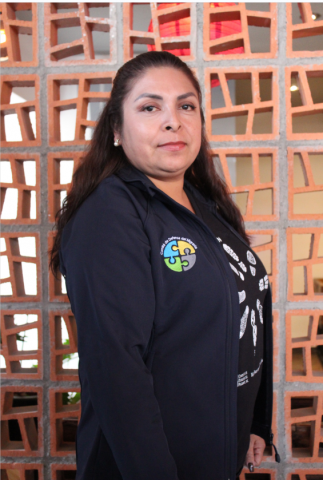
Alicia shares her experience working in the crab industry in Maryland, USA with an H-2B visa.
Why did you decide to migrate to the United States for the first time?
I migrated to the United States for the first time 19 years ago (in 2006), and I’ve traveled there several times to work since then. I’ve had 18 visas to work in the crab industry, and one working for a hotel.
I decided to migrate to improve my economic status, and have a better life, to make sure my children could get a good education and support my family. You earn very little in Mexico. Back then, I didn’t own a house, I was paying rent, and I was making better money working in the US.
How was the recruitment process when you migrated for the first time?
There were people back in my community who were already working at the company in Maryland, and one of them recommended me for the job. During the 19 years that I worked there, the situation in the company changed. At the beginning, there was a lot of abuse against the newcomers. I noticed there was a preference for those who had been working there longer. With time, the situation changed, and even more so once people started to get involved with CDM. They gave us Know Your Rights presentations. We started to learn about our rights, newcomers weren’t as scared as before. Back then, we were scared to speak up and thought they could fire us if we said anything.
Fortunately, I was never charged a fee in order to access this job. However, the first few years we would pay for the visa, transportation and food during our trip from our homes to our workplace. Afterwards, that also changed and we would receive reimbursement for these trips each season.
Something that really shocked me at first was the type of work. It’s very demanding and I didn’t know how to do that type of work. I had a hard time learning, but once I did, I caught up and I can also say that it's very demanding, tiring and stressful work.
Why did you decide to join the Comité de Defensa del Migrante?
When I heard about CDM for the first time, I decided to join the Comité de Defensa del Migrante because they gave us so much useful information. I also like helping other workers to speak up, to not be afraid and defend themselves.
I would hear from other workers at different companies that they had certain work issues - few work hours for some and more for others - I think that should be equal. They would always complain about that.
There’s a lot of abuse in this line of work such as not providing a proper lunch break, not being able to access medical attention when needed because they wouldn’t let us, I don’t think that’s good. On one occasion, one colleague got really sick and they didn’t pay for her trip or salary. She was really sick and no one helped her. At that moment, I didn’t know of any organizations that could’ve supported her. Luckily, now we have more information and we know what to do in case of illness, we know we have human and work rights and that there’s always help.
CDM has done so much for workers in the crab industry in Maryland. I’m happy that there’s protections and rights for migrant workers and that’s great for us.
What would you tell others who are thinking about migrating or that are already working in these types of industries and facing violations to their rights?
I’d tell them to join us at the Comité de Defensa del Migrante, ask for help and resources, do not be afraid to speak up and defend your rights. You can reach out to CDM and get support. There’s changes right now with this government and we should keep pushing forward, we shouldn’t let people deal with abuse at their workplace.
Any other thoughts about the H-2 rule changes or improvements you’d like to see in this program?
I’d like there to be more visas because a lot of people stay back home for lack of visas, but with protections like the ones we have now, or even better protections if possible in order to keep the benefits we have now.
If you’re also a migrant worker and are interested in defending your work rights, join the fight and call Centro de los Derechos del Migrante (CDM) at +52 55 9661 6771 (from Mexico) or at +1 667 217-5738 (from the US). You could get more information about the Comité de Defensa del Migrante.